
Metals
The ferrous and non-ferrous commodities we source from markets and supply to clients across world under classification.
Prices are on request. Explore the ferrous and non-ferrous metals below, then contact our trading desk for a live market indication on the material you need — request a quote.
Ferrous Scraps
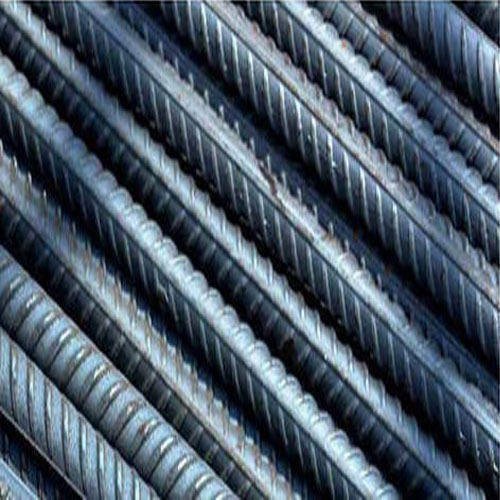
Alloy Steel
Alloy Steel
Alloy steel is steel combined with other elements to improve its strength, durability, hardness, and resistance to wear. It is commonly used in industrial equipment, machinery, automotive components, and construction applications.
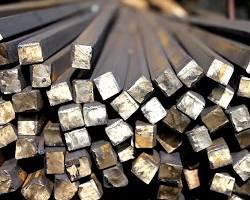
Carbon Steel
Carbon Steel
Carbon steel is a widely used steel material known for its strength, durability, and versatility. It is commonly found in construction materials, machinery, structural components, pipes, and various industrial products.
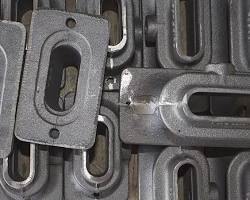
Cast Iron
Cast Iron
Cast iron is a strong and durable iron-based material known for its excellent wear resistance and ability to handle heavy loads. It is commonly used in machinery parts, pipes, automotive components, and industrial equipment.
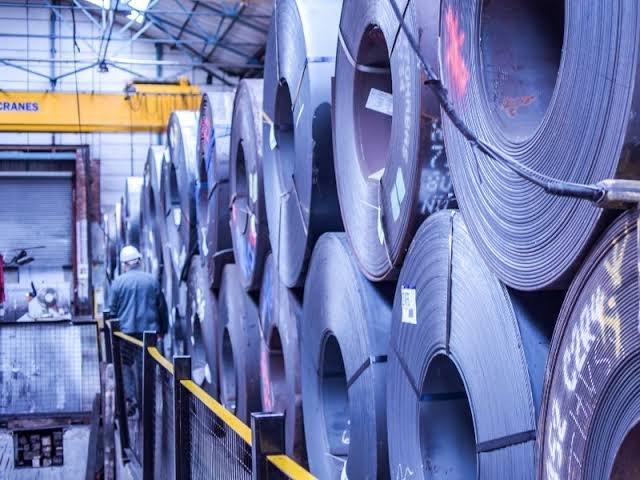
HSLA Steel
HSLA Steel
HSLA steel is designed to provide good strength while maintaining relatively low weight. It is widely used in structural applications, transportation, construction, and industrial manufacturing where strength and durability are important.
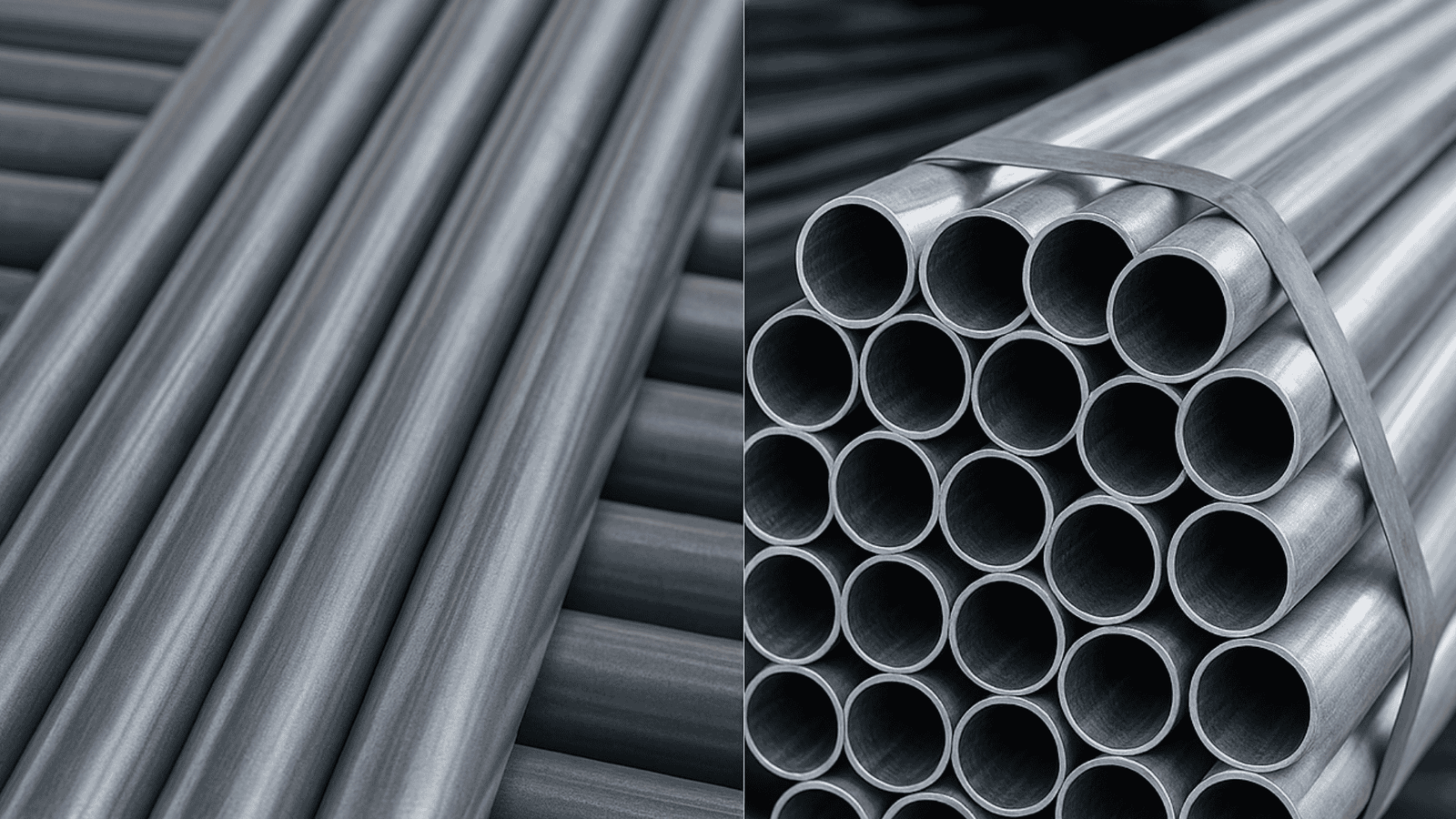
Mild Steel
Mild Steel
Mild steel is a versatile and commonly used steel material that is easy to work with and suitable for many everyday industrial applications. It is frequently used in construction, fabrication, machinery, furniture, and general manufacturing.
Stainless Steel
Stainless Steel
Stainless steel is valued for its durability, clean appearance, and resistance to corrosion. It is widely used in construction, manufacturing, food-related equipment, industrial applications, household products, and many other environments.
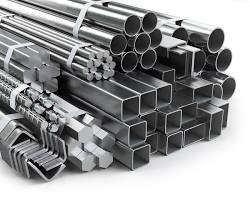
Steel
Steel
Steel is one of the most widely used industrial materials because of its strength, durability, and versatility. It is used extensively in construction, machinery, automotive products, infrastructure, manufacturing, and many other industries.
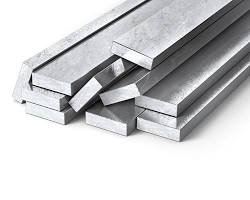
Tool Steel
Tool Steel
Tool steel is a durable steel material commonly used for making tools, cutting equipment, dies, molds, and other components that require strength and resistance to wear during demanding operations.

Wire & Cable
Wire & Cable
Wire and cable materials are commonly recovered from electrical, construction, industrial, and communication applications. They can contain valuable metal materials and are widely collected, processed, and recycled for reuse.
Non-Ferrous Scraps
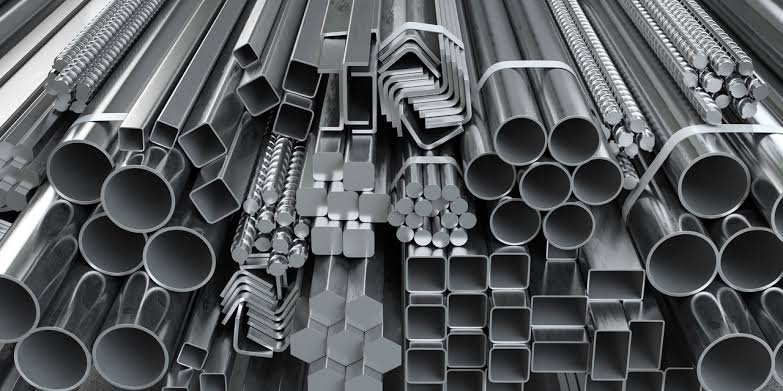
Aluminium
Aluminium
Aluminium is a lightweight and durable metal valued for its corrosion resistance and recyclability. It is widely used in construction, transportation, packaging, electrical products, and manufacturing. Aluminium scrap can be efficiently collected and recycled into new products, helping reduce the need for new raw materials.
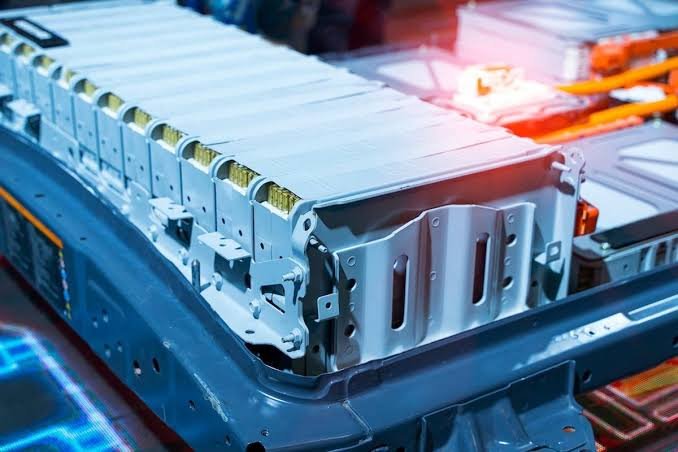
Battery
Battery
Used batteries contain valuable recyclable materials and are commonly collected from automotive, industrial, and other applications. Proper recycling helps recover useful metals and reduces the environmental impact of discarded batteries.
Brass
Brass
Brass is a durable and corrosion-resistant metal commonly used in plumbing components, fittings, hardware, electrical products, and decorative items. Brass scrap is highly recyclable and can be recovered and reused in manufacturing.
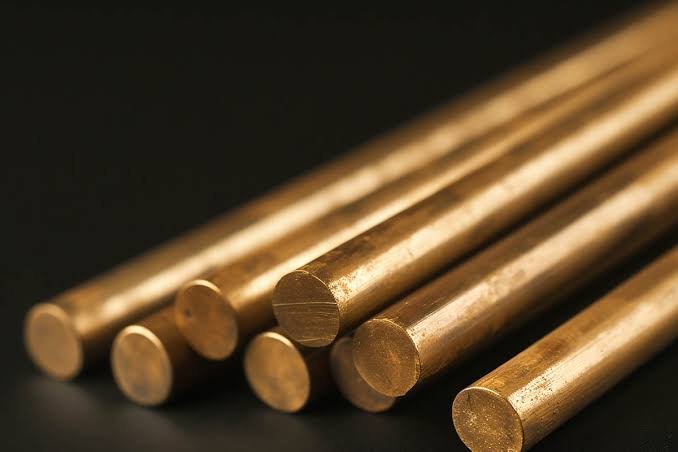
Bronze
Bronze
Bronze is a durable metal known for its strength and resistance to wear and corrosion. It is commonly found in industrial components, machinery parts, marine applications, fittings, and decorative products. Recycled bronze scrap can be processed for reuse in manufacturing.
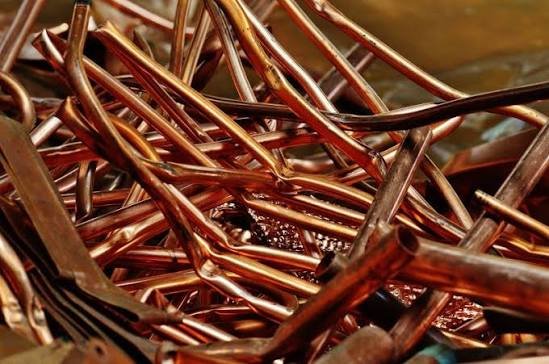
Copper
Copper
Copper is an excellent conductor of electricity and heat and is widely used in electrical wiring, cables, plumbing, electronics, and industrial equipment. Copper scrap has strong recycling value and can be recovered and reused without significantly reducing its useful properties.
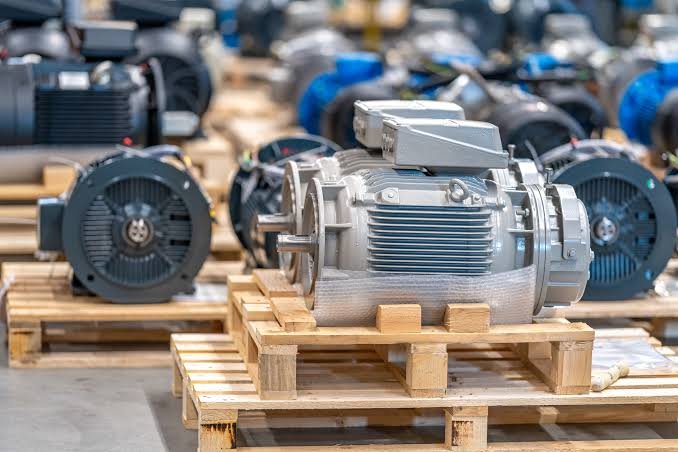
Electric Motor
Electric Motor
Electric motors contain recyclable materials such as copper, aluminium, and steel. They are commonly recovered from electrical equipment, machinery, appliances, and industrial systems. Recycling electric motors allows valuable materials to be separated and reused.
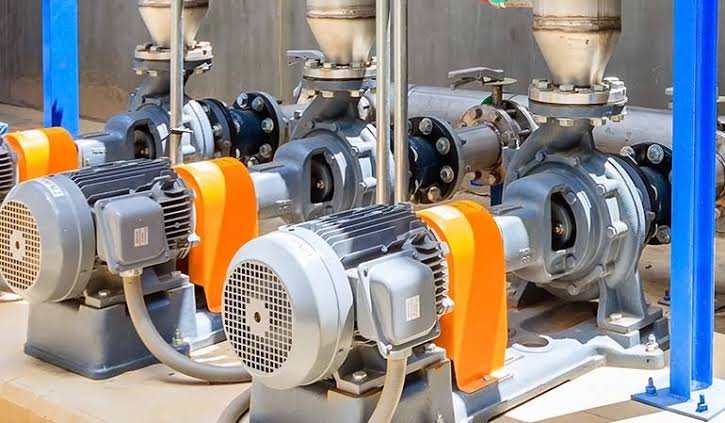
Industrial Motor
Industrial Motor
Industrial motors are used in machinery and large-scale equipment across manufacturing and industrial operations. When these motors reach the end of their service life, they can be dismantled and recycled to recover valuable metals and other materials.
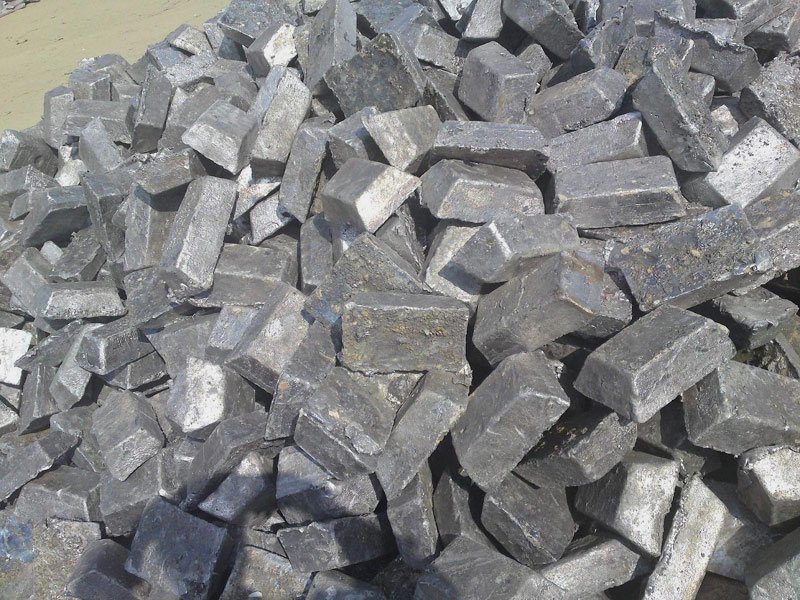
Lead
Lead
Lead is a dense and highly recyclable metal commonly found in batteries and various industrial applications. Responsible recycling allows lead to be recovered and reused while helping reduce the environmental impact associated with discarded lead-containing materials.
Magnesium
Magnesium
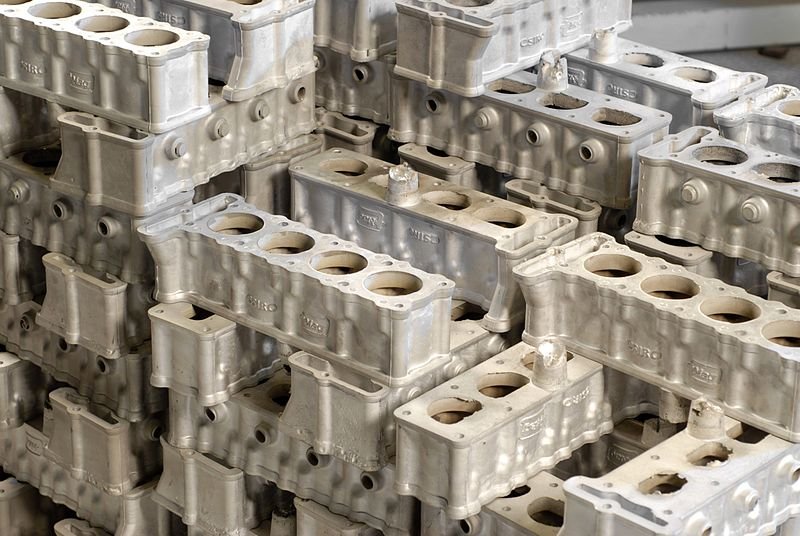
Magnesium is a lightweight metal used in automotive components, machinery, electronics, and various manufactured products. Magnesium scrap can be collected and recycled to recover the material for further industrial use.
Nickel
Nickel
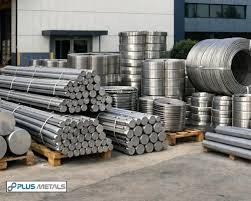
Nickel is a durable metal valued for its resistance to corrosion and high temperatures. It is used in industrial equipment, manufacturing, electronics, and various metal products. Nickel-containing scrap can be recovered and recycled for further use.
Titanium
Titanium
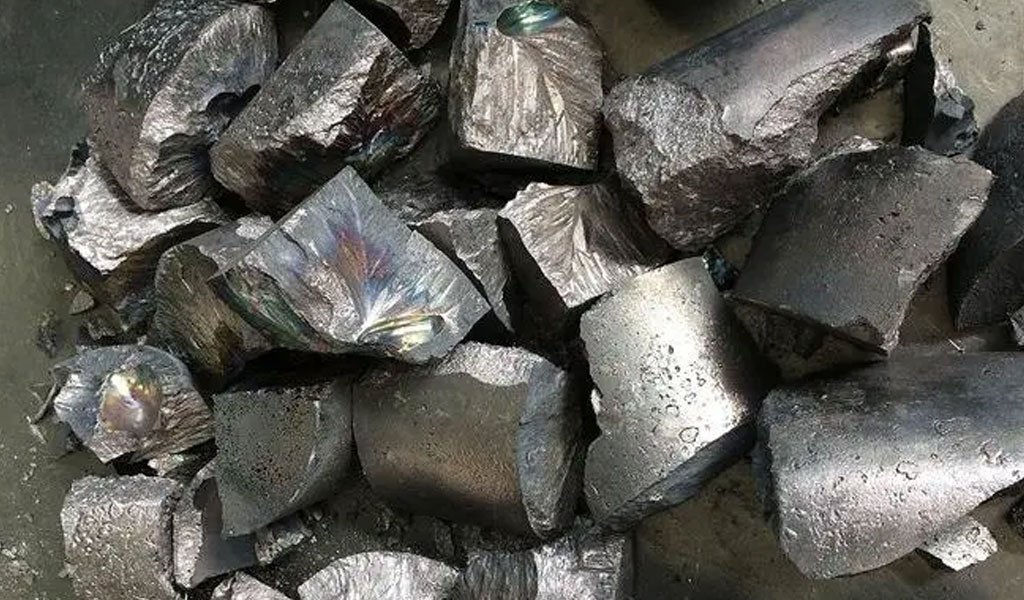
Titanium is a strong, lightweight metal known for its durability and corrosion resistance. It is used in aerospace, medical equipment, industrial components, and specialized manufacturing. Titanium scrap can be collected and recycled to recover valuable material.
Zinc
Zinc
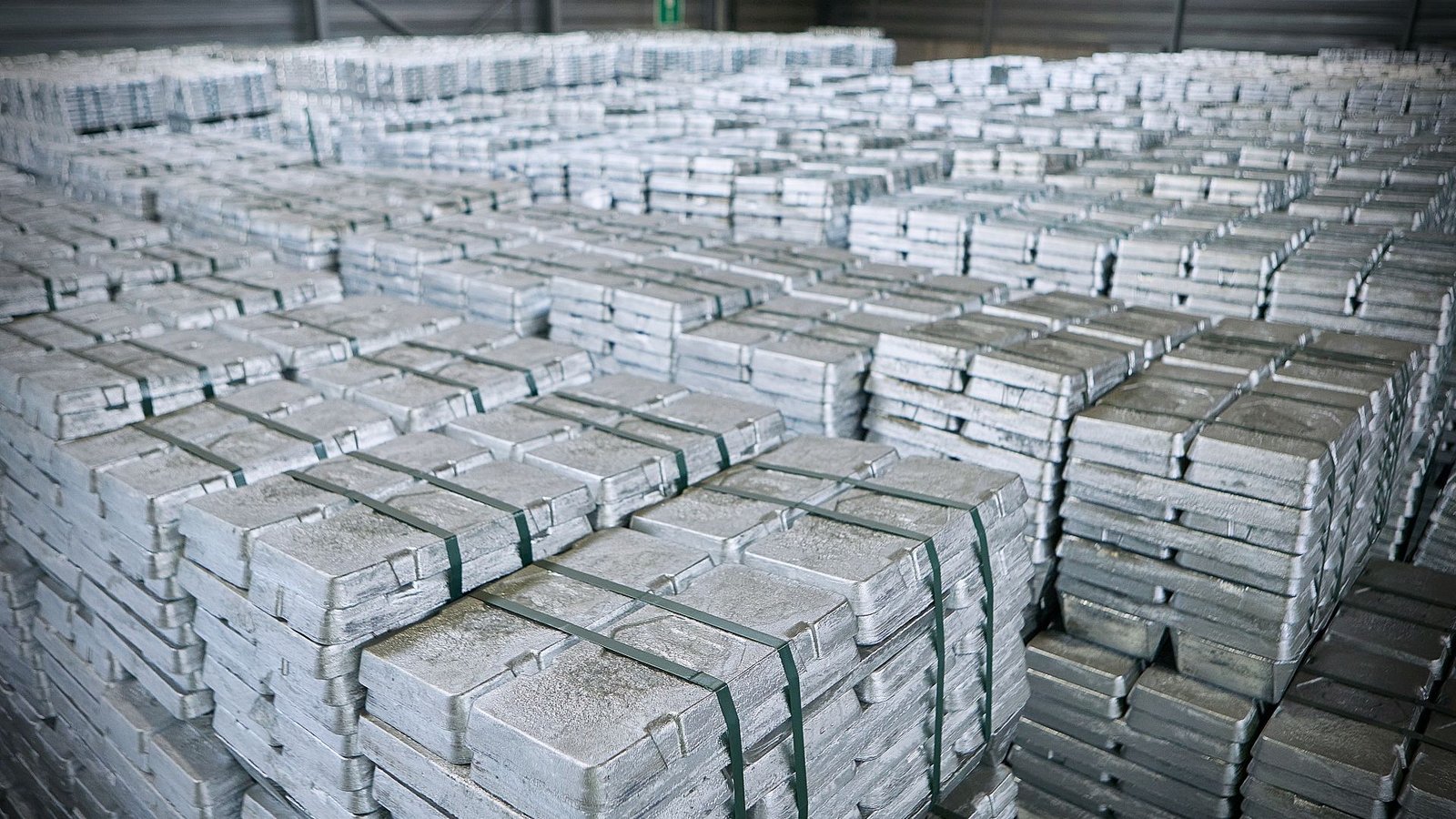
Zinc is a corrosion-resistant metal widely used for protective coatings, manufacturing, construction, and various industrial products. Zinc scrap can be recovered and recycled, helping conserve natural resources and support more sustainable manufacturing.
Interested in a specific grade? Contact the trading desk for availability, specification sheets, and a live market indication.
How Pricing & Supply Works
Scraps-metal pricing is live and market-driven. We negotiate every trade on its own terms, so buyers and sellers get fair, transparent value.
1 · Tell Us The Material
Share commodities, grades, quantities and any specification sheets in your enquiry.
2 · Receive An Indication
We review market conditions and respond with pricing and terms structured around your trade.
3 · Agree & Dispatch
Confirmed inspection, settlement and delivery structure — then coordinated dispatch or export.