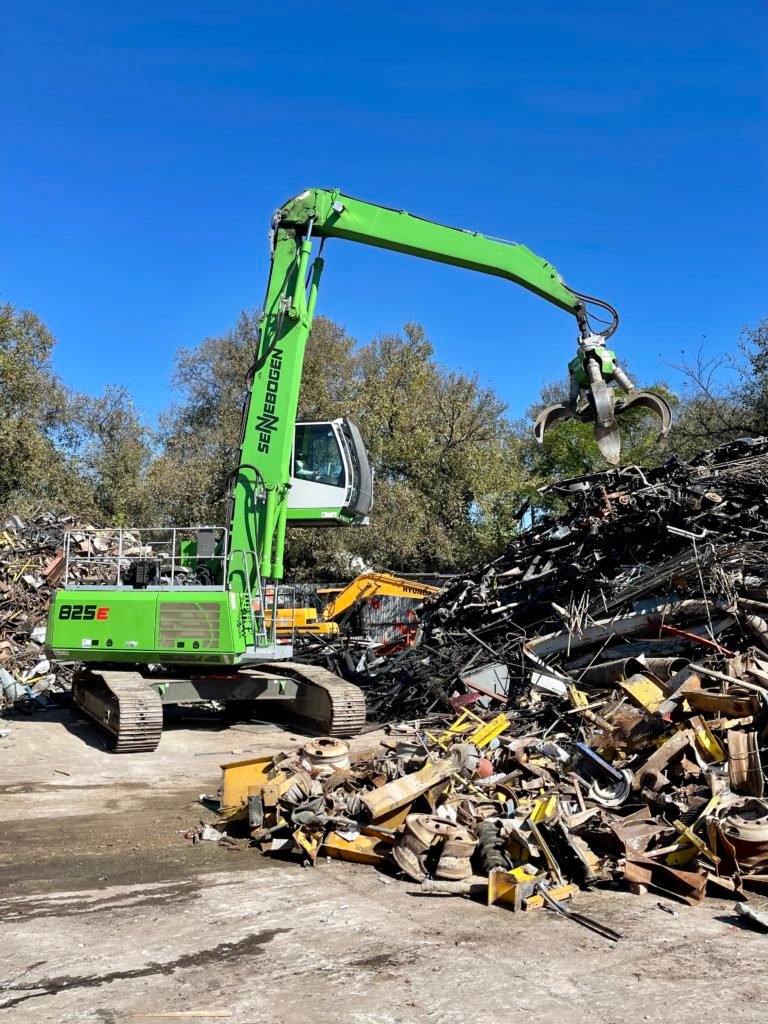
Metal recycling is one of the most impactful environmental actions an individual or business can take. Every tonne of recycled material displaces the need to mine and refine virgin ore, saving enormous amounts of energy and dramatically cutting greenhouse gas emissions.
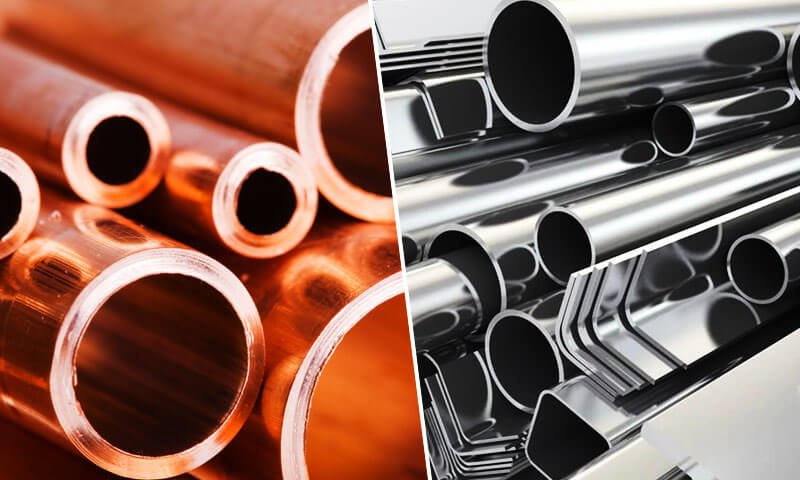
The numbers are striking. Recycling steel saves roughly 1.5 tonnes of CO2 for every tonne produced from scrap, and recycling aluminium saves around 95% of the energy required to produce it from raw ore. Copper and brass recycling similarly avoid the heavy footprint of primary extraction.
Discover how recycling scrap metal reduces CO₂ emissions, conserves natural resources, and supports a circular economy.
— Sarah K., Kabariya Metal Scraps
Beyond emissions, recycling conserves finite natural resources. Mining consumes land, water, and energy, and leaves lasting ecological impacts. By keeping metals in circulation, we reduce the pressure to extract new ore and preserve mineral reserves for future generations.
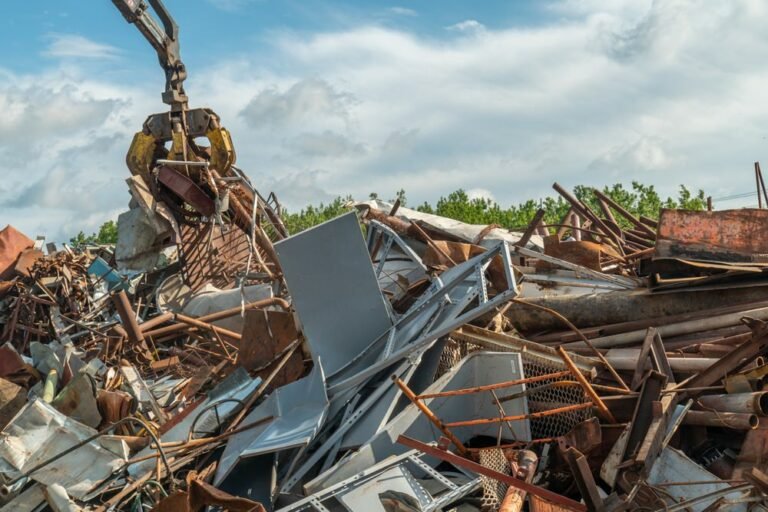
There is also a huge waste-reduction benefit. Scraps metal that is recycled does not end up in landfill, where it would degrade slowly and release nothing of value. Instead, it feeds straight back into manufacturing as high-quality raw material, closing the loop in a true circular economy.
The social and economic benefits are real too. Recycling supports local jobs at facilities like ours, reduces reliance on imported raw materials, and keeps value within the community. It is both an environmental and an economic win.
You do not need to be an industrial producer to make a difference. Every homeowner who brings a bag of copper wire to the yard, every contractor who recycles site scrap, and every business that recycles old equipment is contributing to a cleaner, more sustainable future.