If you are new to scrap metal recycling, the terms "ferrous" and "non-ferrous" come up constantly. Understanding the difference between the two is one of the quickest ways to improve what you earn and to make the recycling process smoother.
Ferrous metals contain iron. Steel, cast iron, and wrought iron are all ferrous. They are heavy, strong, and magnetic, which makes them easy to identify with a simple magnet. Because they are so widely used in construction and manufacturing, they make up the bulk of most scrap loads.
Understand the key differences between ferrous and non-ferrous metals and why it matters for your scrap pricing.
— Lisa M., Kabariya Metal Scraps
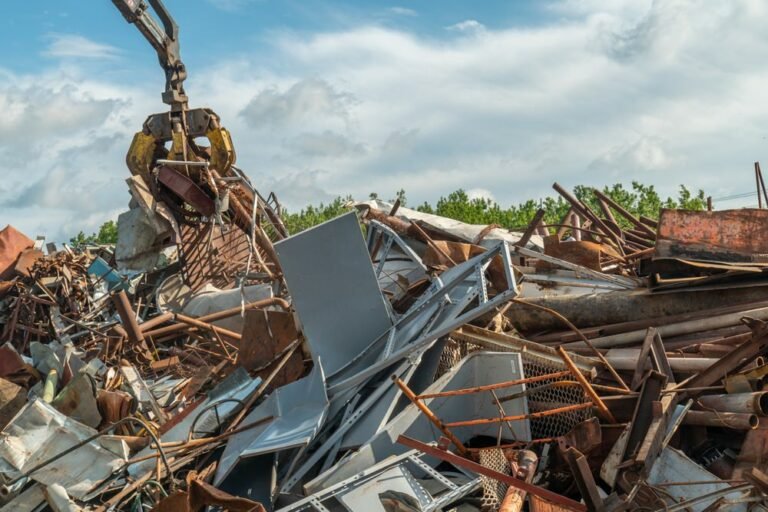
Ferrous scrap is generally priced per tonne and tends to to be lower value than non-ferrous metal, but it is collected in large volumes. It includes everything from structural steel and rebar to old radiators, boilers, and shredded car bodies.
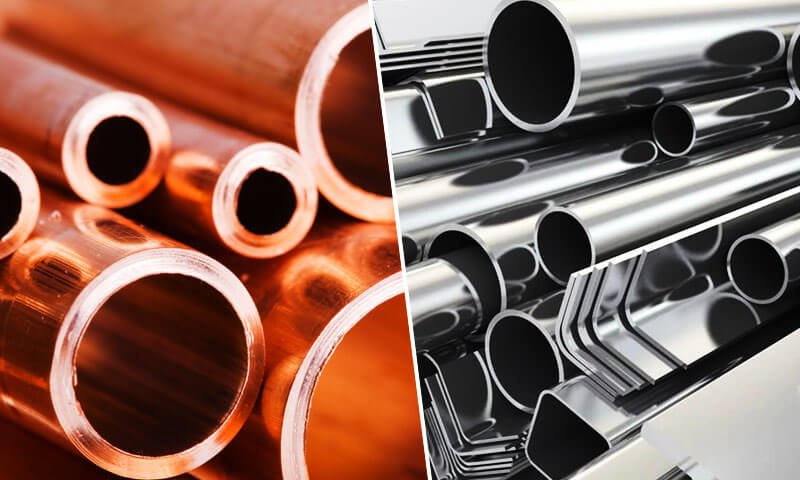
Non-ferrous metals contain little or no iron. Copper, aluminium, brass, lead, zinc, nickel, and tin are all non-ferrous. They are not magnetic, which is the easiest way to tell them apart. They are typically worth more per kilogram than ferrous scrap.
Because non-ferrous metals are rarer and more energy-intensive to produce, they command significantly higher prices. Copper wire, aluminium sheet, brass fittings, and clean stainless steel are all valuable streams that reward good sorting.
The bottom line: use a magnet to sort your material, keep ferrous and non-ferrous separate, and grade your non-ferrous scrap by type and cleanliness. This simple knowledge can make a measurable difference to your payout and makes the whole process faster for everyone at the yard.