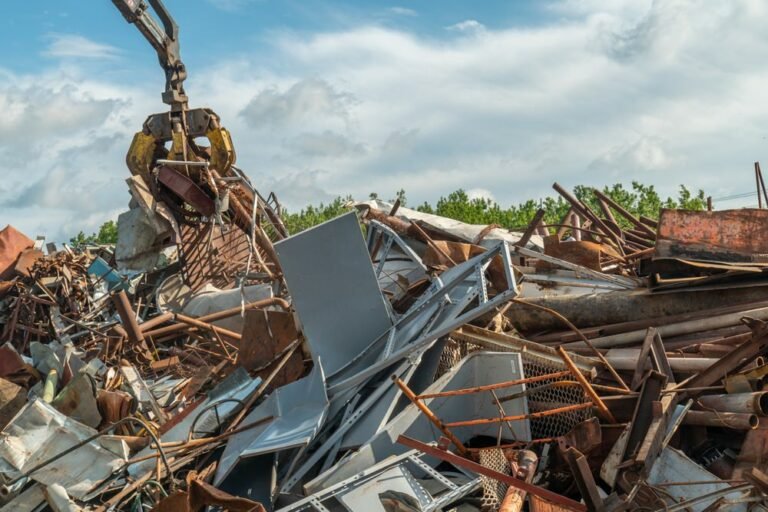
Getting the highest possible payout for your scrap metal comes down to more than just timing the market. How you sort, clean, and prepare your material has a huge impact on the price you will receive when you bring it to the yard.
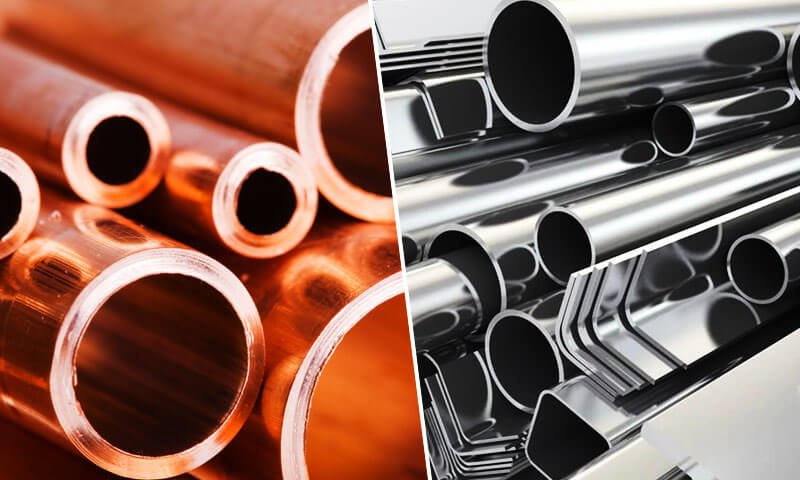
The single most effective thing you can do is separate your scrap into the main families before you arrive: ferrous metals (iron and steel) and non-ferrous metals (copper, aluminium, brass, lead, and stainless steel). Yards pay different rates for each, and mixing them downgrades the whole load.
Learn the best practices for sorting, cleaning, and preparing your scrap metal to get the highest payout at our yard.
— Mike R., Kabariya Metal Scraps
Within each family, further sorting by grade pays off. For example, bare bright copper wire commands a much higher price than insulated or tarnished copper. Aluminium extrusion is worth more when separated from cast aluminium. Taking the time to grade your material properly can add real money to your payout.
Cleaning matters too. Dirt, paint, grease, plastic, and other contamination reduce the weight and quality of what we can buy, often lowering the grade your material is classed under. Removing obvious contaminants like insulation from cable, plastic caps, and loose debris brings your load up to a cleaner, more valuable grade.
Magnets are your best friend when sorting. Use a simple magnet to quickly tell ferrous from non-ferrous: if it sticks, it is iron or steel; if it does not, it is likely a non-ferrous metal worth taking to the higher-priced stream.
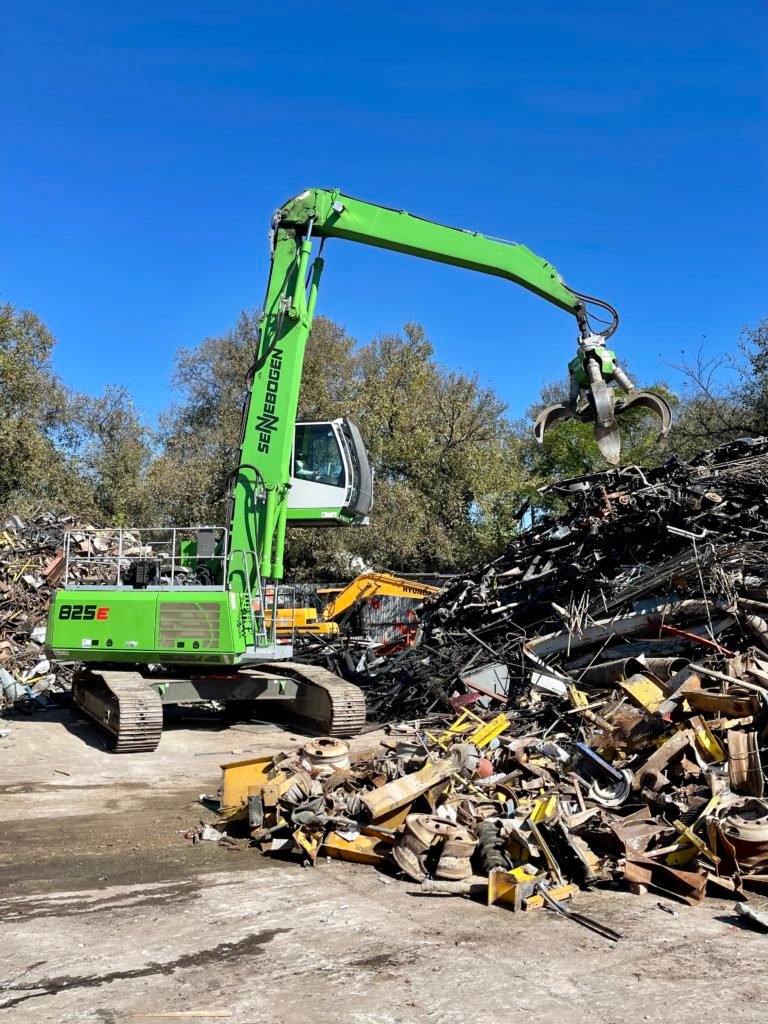
Finally, keep your scrap in manageable, safe quantities and transport it securely. Balance heavy items evenly in your vehicle, keep sharp edges covered, and never mix hazardous items like batteries or oil containers with your scrap. Prepared, well-sorted loads not only pay more but make everyone's job easier and safer.